
Medical Brand Films help healthcare institutions communicate trust, clarity, and credibility with purpose.
Choosing a healthcare institution is rarely a quick decision. Patients and families look for reassurance long before they reach out or walk into a hospital. They want to understand the environment, the people behind the care, and the standards that guide everyday practice.
Today, this understanding often begins online.
Websites, videos, and digital platforms have become the first point of contact between healthcare institutions and their audiences. In this space, how information is presented matters as much as what is being said. Medical brand films help hospitals and healthcare institutions communicate credibility in a way that feels clear, grounded, and responsible.
Rather than making claims, these films allow institutions to present themselves through real spaces, real people, and real processes—building trust through transparency.
What Medical Brand Films Mean in a Healthcare Context
Medical brand films are structured visual narratives that introduce a healthcare institution’s identity, values, and approach to care. They are designed to inform rather than persuade, focusing on clarity and consistency instead of promotion.
In healthcare, audiences include patients, caregivers, doctors, partners, and internal teams. Each group looks for different signals of trust. A well-crafted medical brand film brings these signals together by showing how the institution functions as a whole.
These films often include:
- The hospital environment and infrastructure
- Leadership or doctor perspectives
- Care philosophy and operational standards
When approached thoughtfully, medical brand films become a reliable reference point for anyone seeking to understand the institution better.
Why Institutional Credibility Is Closely Linked to Visual Communication
Credibility in healthcare is built over time. It depends on stable systems, ethical practice, and consistent communication. Video supports this process because it reduces uncertainty.
Seeing a hospital’s facilities, observing its working environment, and hearing directly from its medical professionals helps audiences form a clearer picture. This visual familiarity makes the institution feel accessible and dependable.
Unlike static content, video allows healthcare organisations to show how they operate, not just describe it. This distinction plays a significant role in shaping trust.
How Medical Brand Films Strengthen Trust
Creating Transparency Through Real Environments
Hospital walkthrough videos and institutional films provide viewers with a sense of place. They help patients and partners understand the scale, organisation, and atmosphere of the facility.
This visual clarity supports credibility by setting realistic expectations. When people know what to expect, confidence grows naturally.
Presenting Expertise Through People
Healthcare institutions are built around skilled professionals. Featuring doctors, specialists, and leadership teams in medical brand films adds depth and authenticity.
Doctor-led conversations and podcast-style videos are especially effective. They allow professionals to speak about care approaches, patient responsibility, and medical philosophy in a calm, conversational format. This builds trust without forcing attention.
Supporting Patient Trust Through Testimonial Videos
Patient testimonial videos add an important dimension to healthcare communication. They reflect patient experiences and help viewers understand how care is delivered across different stages of interaction with the institution.
For prospective patients, these videos provide reassurance by highlighting aspects such as communication, support systems, and overall care experience. They help audiences relate to the institution through lived experiences rather than statements.
When testimonial videos are integrated with brand films, walkthroughs, and expert conversations, they contribute to a balanced and credible narrative. Together, these formats help establish familiarity and confidence over time.
Maintaining Consistency Across Platforms
Consistency plays a quiet but powerful role in credibility. When video content follows a unified tone, visual style, and messaging approach across a hospital’s website and digital channels, the institution feels organised and reliable.
This is where experienced healthcare video production becomes important. A structured approach ensures that every video strengthens the same core message.
The Importance of Experience in Healthcare Video Production
Healthcare environments require sensitivity, planning, and attention to detail. Video production in this space must respect patient privacy, operational workflows, and medical accuracy.
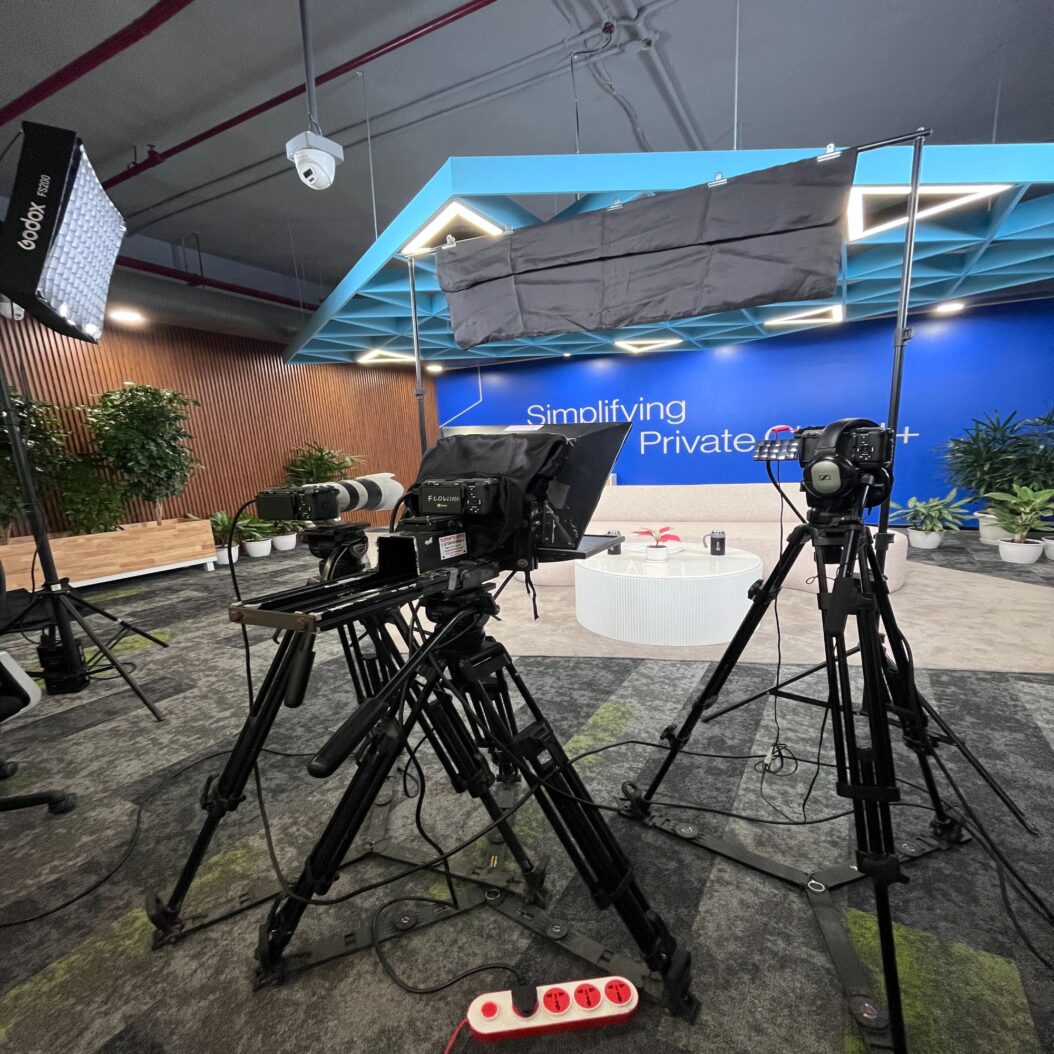
FlowInk Pictures, one of India’s leading video production companies, has worked with healthcare institutions to create responsible and well-structured medical content. Their collaborations with hospitals such as Aster Hospital reflect an understanding of how healthcare stories need to be communicated—with clarity and care.
FlowInk Pictures has produced a range of healthcare-focused videos, including:
- Medical brand films
- Hospital walkthrough videos
- Doctor-led podcast videos
- Institutional and corporate healthcare films
These formats are designed to work together, helping institutions present a complete and trustworthy digital presence.
Where Medical Brand Films Fit Within a Hospital Website
To support credibility, video content should be placed with intent:
- Homepage: A concise brand film that introduces the institution
- About Us: Institutional journey and leadership perspectives
- Facilities Pages: Walkthrough and infrastructure videos
- Doctor Profiles: Expert conversations or podcast-style videos
- Patient Information Sections: Educational and testimonial videos
When used strategically, medical brand films support understanding rather than distraction.
Long-Term Value of Medical Brand Films
One of the key strengths of medical brand films is their longevity. Unlike short-term campaigns, institutional videos remain relevant when they focus on values, systems, and care philosophy.
They continue to support patient trust, partnerships, recruitment, and internal alignment over time. For healthcare institutions, this makes video not just a communication tool, but a long-term asset.
Conclusion
Medical brand films help healthcare institutions communicate credibility with clarity and consistency. By showing real environments, featuring real professionals, and integrating patient perspectives, these films support trust without overstatement.
With experience in healthcare storytelling and collaborations with institutions like Aster Hospital, FlowInk Pictures helps medical organisations translate expertise into meaningful visual narratives. In a sector where trust begins before the first interaction, thoughtful video communication plays an essential role.