

Hospital testimonial videos are changing how patients choose hospitals, yet most healthcare brands are still underutilising them.
Hospitals invest in infrastructure. In specialists. In technology.
But when it comes to marketing, many still rely on brochures, text reviews, or generic corporate films.
And that’s where trust weakens.
Healthcare is not a product category. It’s a trust category. And in trust-driven decisions, claims don’t convert — proof does. That is where hospital testimonial videos quietly change everything.
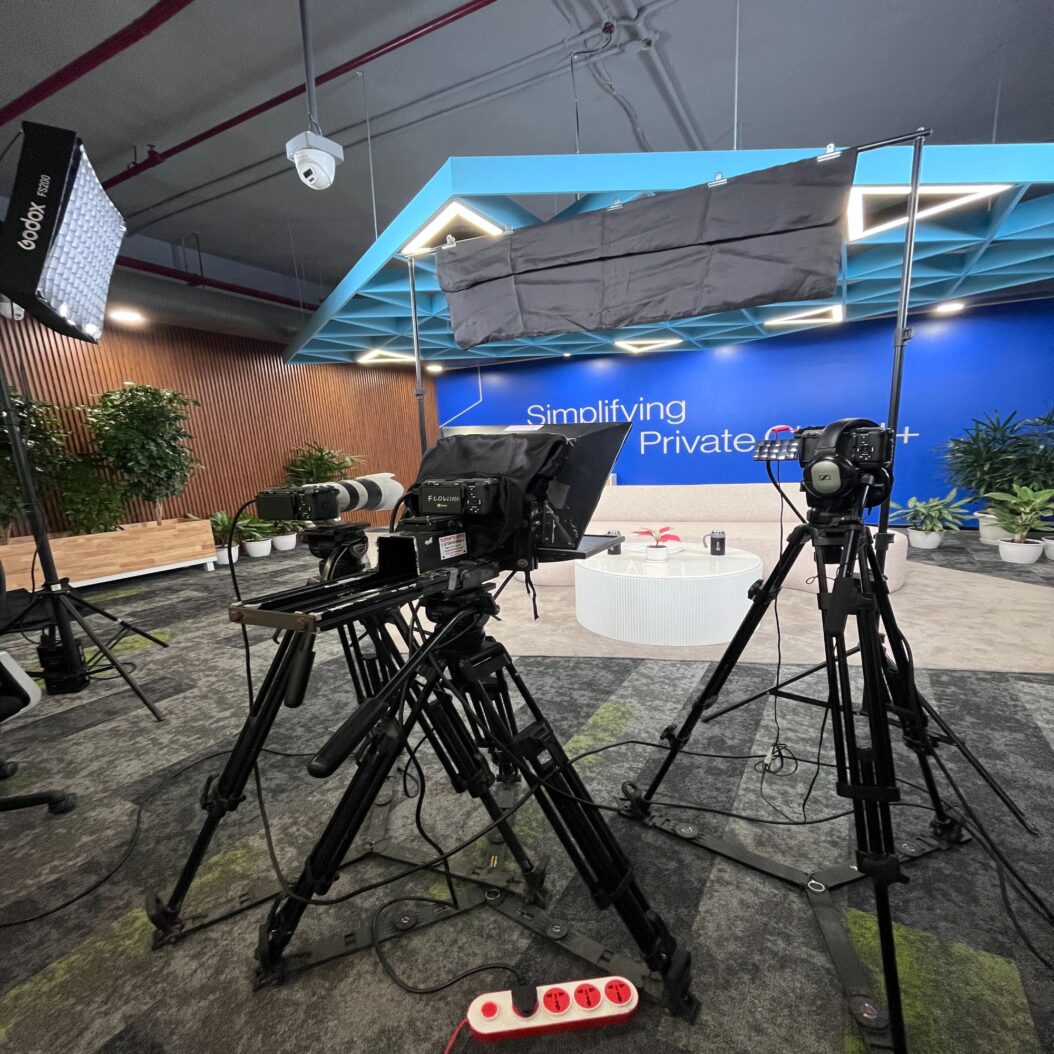
At FlowInk Pictures, this shift is not treated as content creation. It is treated as trust engineering, designing patient journeys that directly influence decision-making.
“Can I Speak to Someone Who Has Already Gone Through This Treatment Here?”
When surgery is involved — cardiac, IVF, oncology, joint replacement —they ask:
“Can I speak to someone who has already gone through this here?”
That question reveals the real decision driver.
They’re comparing them on reassurance.
In urban cities especially, this conversation now begins online.
Before booking an appointment, patients open multiple tabs.
They check the hospital website.
They scroll social media.
They watch whatever videos they can find.
They’re analysing deeply.
They’re sensing.
“Does this feel right?”
If they find a video of someone who has undergone the exact same treatment — sharing the fear, the waiting, the relief — something shifts.
It stops feeling like a hospital introducing itself.
It starts feeling like one patient reassuring another.
That is how trust begins to form.
Text Testimonials Feel Safe. Video Testimonials Feels Real.
Text can be filtered.
Edited.
Curated.
But when a real patient looks into the camera and says,
“I was scared. But the doctors explained everything. I felt safe.”
You see the hesitation.
You hear the relief.
You believe it.
That emotional certainty transfers instantly.
This is why hospital testimonial videos outperform static testimonials in building credibility. They communicate what brochures cannot — lived experience.
The Overlooked Advantage: Regional Language Trust
There is another layer many hospitals underestimate.
Language.
Patients in metro cities may search in English. But when it comes to surgery, illness, or family decisions, people instinctively return to the language they are most comfortable in.
Imagine:
- A cardiac recovery story in Hindi.
- An IVF journey explained in Tamil.
- A joint replacement experience shared in Marathi.
The message lands differently.
It feels closer.
More personal.
Less clinical.
When testimonial videos are created in regional languages, trust does not just build — it deepens.
In healthcare, familiarity reduces anxiety. And reduced anxiety speeds up decisions.
Where These Testimonial Videos Influence Real Decisions
Most hospitals treat testimonial videos as branding content.
They’re not.
They influence behaviour across the entire decision journey.
Early Research
When patients first land on a website, attention is limited. A strong testimonial increases time spent on page and lowers bounce rates. Even if they don’t enquire immediately, the hospital becomes memorable.
Active Comparison
At this stage, patients are evaluating multiple options. Websites look similar. Doctors seem equally qualified.
This is where testimonial content answers unspoken questions:
- Will I be treated with empathy?
- Are outcomes genuinely positive?
- Do families trust this hospital?
You are not pushing treatment. You are reducing perceived risk.
Final Decision
When consultations are being booked, hesitation appears.
Seeing another patient’s successful journey reinforces confidence and reduces second-guessing. That is when hospital testimonial videos move from content to conversion tool.
Production Quality Is Not Cosmetic
In healthcare marketing, authenticity matters.
Many people assume that a rough, poorly shot video will feel more genuine.
But in reality, poorly executed testimonials often create the opposite effect.
When a patient video feels random, unstructured, or visually chaotic, it can resemble a distressing incident rather than a meaningful journey.
What truly keeps people watching is not roughness — it is how the story unfolds.
When a testimonial is crafted like a narrative, the audience experiences the patient’s journey:
- the uncertainty at the beginning
- the challenges during treatment
- the emotional turning points
- the final moment of recovery
A thoughtful narrative structure — with a clear beginning, tension, and resolution — allows viewers to feel the struggle and celebrate the outcome.
This is where professional production becomes powerful.
What Makes a Testimonial Actually Work
Not every testimonial converts. Structure makes the difference.
A powerful narrative follows a natural arc:
Problem → Fear → Decision → Experience → Outcome → Reflection
It includes context:
- Treatment environments
- Doctor-patient interaction
- Recovery visuals
- Family presence
And it integrates medical authority subtly — not as promotion, but as reassurance.
When executed strategically, hospital testimonial videos become long-term trust assets, not temporary campaigns.
The Business Impact Hospitals Often Miss
Testimonial videos are often treated as emotional content.
But in reality, they influence revenue.
When placed strategically across the funnel, they can:
- Reduce cost-per-lead by building trust before the enquiry even happens
- Improve consultation booking rates from existing website traffic
- Shorten decision timelines for high-value procedures
- Strengthen perception in competitive metro markets
- Support multi-location expansion by showing consistent patient outcomes
These are not branding metrics.
They are operational metrics.
Why This Matters to Leadership
Hospital management is not measuring likes.
They are looking at:
- Enquiry quality
- Conversion rates
- Procedure volumes
- Market positioning
When testimonial videos directly influence these numbers, they stop being “marketing content.”
They become growth infrastructure.
Frequently Asked Questions
Why are hospital testimonial videos effective?
They transfer emotional certainty faster than text and showcase real patient journeys.
How long should they be?
90–120 seconds is ideal for maintaining attention while telling a complete story.
Can they improve patient acquisition?
Yes. Strategically placed testimonials increase engagement, reduce hesitation, and improve enquiry rates.
Do they need high production quality?
Yes — but for a different reason than most people assume.
It is not about making the video look glamorous.
It is about shaping the patient’s journey so the audience can follow it.
How often should hospitals update them?
Monthly, or whenever new departments or treatments are introduced or there is an inspiring story worth telling.
Final Thought
Patients don’t buy procedures.
They seek reassurance.
The hospitals that understand this build proof into their communication. And hospital testimonial videos, when done right, become more than marketing assets — they become decision accelerators.