

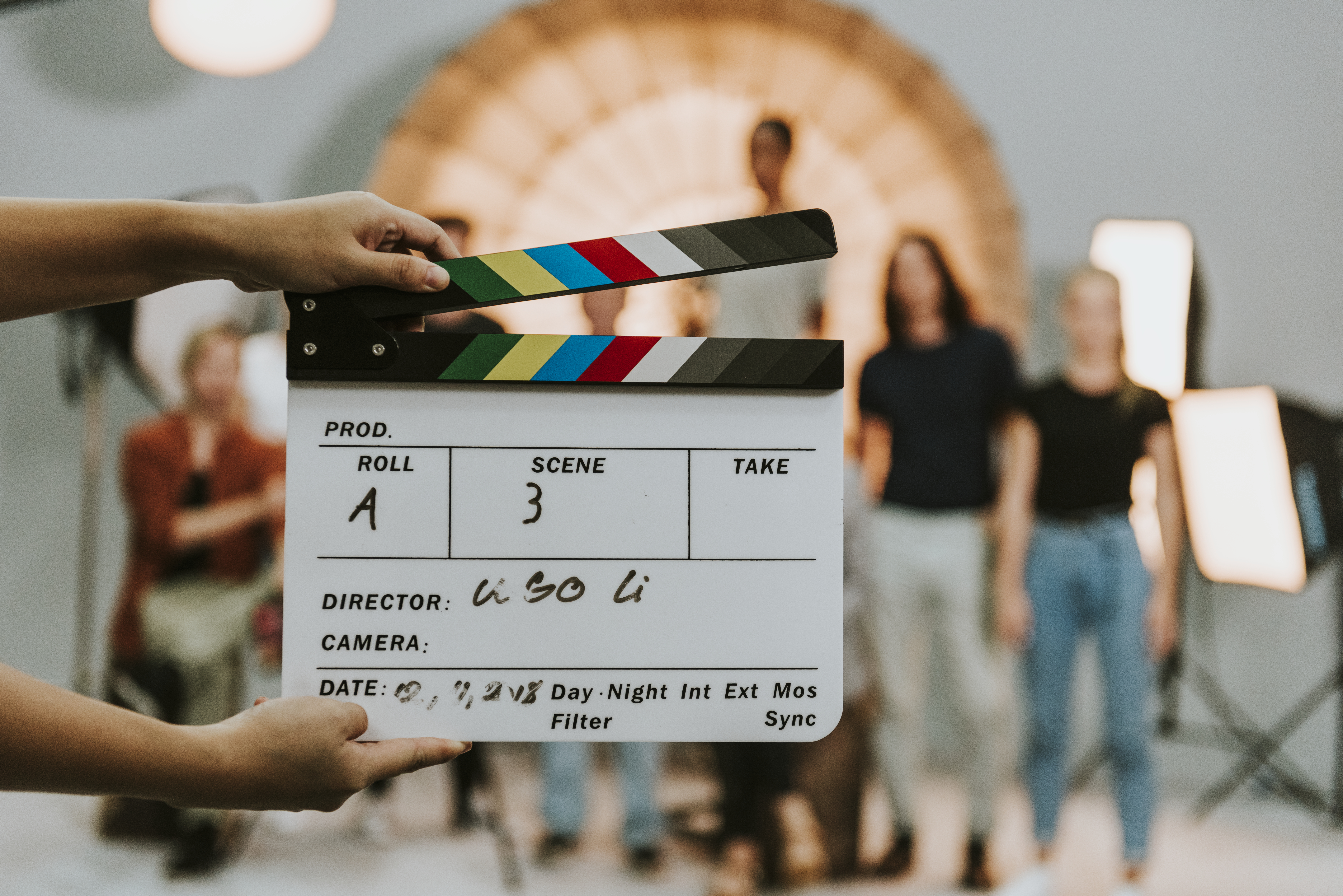
A brand film can influence how people perceive a business long before they become customers.
There is a reason people remember certain companies long before they ever become customers.
It is not frequency alone.
It is not an ad spend alone.
And it is rarely because the company published more content than everyone else.
Some businesses simply feel more credible the moment you encounter them.
More established.
More trustworthy.
More certain about who they are.
In competitive industries, that perception often influences business growth long before a sales conversation begins.
A brand film helps create that perception intentionally.
Most companies assume they have a visibility problem.
In reality, many have a perception problem.
As a result, they invest heavily in generating more attention while overlooking how that attention gets interpreted.
The challenge is that visibility and trust are not the same thing. A company can generate thousands of impressions and still struggle to convert interest into meaningful business conversations. Buyers do not make decisions based solely on who they see most often. They make decisions based on who feels most credible when the moment of evaluation arrives.
Many businesses try to solve trust problems with more marketing activity when the real issue is weak perception.
That is why perception becomes a competitive advantage.
What Exactly Is a Brand Film?
A brand film is a cinematic video designed to shape how people perceive a company.
Not just what the company does.
What it represents.
What it values.
What it feels like to work with.
That distinction matters.
A product video explains features. A recruitment video attracts talent. A testimonial video builds proof. A performance marketing video drives immediate action.
A brand film operates differently.
It creates emotional and commercial context around the business itself. It helps audiences understand the company’s ambition, credibility, mindset, and long-term vision without making the communication feel overly promotional.
Take a look at this brand film produced by FlowInk Pictures for Adven Biotech
Adven Biotech’s brand film is a strong example of how healthcare companies can build trust through communication. By showcasing the people, expertise, and purpose behind the business, the film helps strengthen credibility and shape perception across key stakeholders.
The strongest brand films rarely feel like presentations.
They feel intentional.
Sometimes emotional.
Sometimes bold.
Sometimes deeply human.
But never generic.
Why Buyers Judge Perception Before Capability
Most buying decisions are not purely rational.
Especially in industries where multiple companies offer similar services, similar pricing structures, and similar claims.
People begin evaluating signals instead:
- How professional the company appears
- How clearly it communicates
- How confidently it presents itself
- How trustworthy it feels
- How established it seems within its industry
This is particularly true in sectors such as healthcare, finance, insurance, manufacturing, technology, consulting, real estate, and enterprise services.
In many of these industries, buyers cannot fully evaluate operational quality upfront.
So they judge perception first.
And that perception often determines whether someone books a meeting, requests a proposal, explores the website further, or continues evaluating competitors.
Long before capability can be demonstrated, trust is already being formed.
In sectors such as healthcare, finance, and enterprise services, that initial perception can determine whether a company is shortlisted, explored further, or overlooked entirely.
Why Most Corporate Videos Fail
Most corporate videos are not ineffective because companies lack capability.
They fail because the communication lacks distinction.
Different logo.
Same pacing.
Same music.
Same claims about innovation, excellence, and customer commitment.
Eventually everything starts blending together.
The irony is that many companies are trying to differentiate themselves while communicating in exactly the same way as everyone else.
Different visuals do not automatically create distinction.
Different perception does.
The strongest brand films understand this. Instead of overwhelming audiences with information, they focus on creating emotional clarity and strategic positioning.
People may not remember every sentence from a video.
But they often remember how the company made them feel.
And that feeling influences future business decisions far more than brands realize.
The Real Cost of Weak Brand Perception
Many businesses underestimate how often perception influences commercial outcomes.
The impact is rarely obvious.
Instead, it appears in small moments:
- Prospects comparing multiple vendors
- Decision-makers delaying responses
- Increased resistance to premium pricing
- Longer sales cycles
- Lower recall after meetings
- Competitors earning trust faster
Often, the issue is not capability.
Some of the most capable businesses in a category remain overlooked simply because they communicate their value poorly.
Meanwhile, competitors with similar capabilities often appear stronger because they present themselves more clearly and more confidently.
The market can only evaluate what it understands.
This is why two companies with similar capabilities can achieve very different commercial outcomes. The business that communicates its expertise more clearly often earns trust faster, shortens sales cycles, and creates stronger recall among decision-makers.
A strong brand film helps bridge that gap by turning credibility into something audiences can immediately recognize and remember.
When Does a Business Need a Brand Film?
Many companies assume brand films are only useful for large enterprises.
In reality, they become increasingly valuable during periods of growth and change.
A brand film can be particularly effective when a company is:
- Entering a new market
- Repositioning itself as a premium provider
- Expanding beyond founder-led sales
- Attracting investors or strategic partners
- Improving recruitment efforts
- Launching a new business vertical
- Competing in a crowded category
In each of these situations, awareness alone is not enough.
Growth changes expectations.
As businesses become larger, audiences expect their communication to reflect that maturity.
When perception lags behind reality, trust friction starts appearing across sales conversations, hiring efforts, partnerships, and brand positioning.
A brand film helps ensure the market sees the business the way the business sees itself.
Why Cinematic Execution Matters
Many businesses assume cinematic production is only about aesthetics.
It is not.
Visual quality affects authority.
Pacing affects seriousness.
Sound design affects emotional retention.
Narrative structure affects clarity.
Buyers may never consciously say, “I trust this company because the video looks cinematic.”
Yet people form opinions about professionalism, maturity, and credibility within seconds.
Production quality becomes part of that judgment whether they realize it or not.
Fair or unfair, audiences often assume that the quality of a company’s communication reflects the quality of its operations.
That is why execution matters far beyond aesthetics.
A strong example is the brand film created by FlowInk Pictures for ONCO Plus, Aditya Birla Memorial Hospital’s advanced cancer care programme. In healthcare, trust often needs to be established before patients and families can fully evaluate medical capabilities. The film was designed to communicate preparedness across diagnosis, treatment, technology, and recovery, helping translate clinical excellence into a message that feels credible, reassuring, and human.
The strongest brand films are carefully constructed communication assets where every creative decision influences interpretation.
Watch the video here:
Why Brand Films Matter Even More in 2026
Today’s customers rarely experience a company in one place.
They discover businesses through fragments.
A website.
A LinkedIn post.
A founder interview.
A YouTube video.
A sales presentation.
A recruitment page.
Perception is often formed before direct interaction ever occurs.
In many industries, prospects have already started deciding whether a company feels credible before speaking to a salesperson.
By the time the first conversation happens, perception is no longer being created.
It is being confirmed.
A strong brand film creates consistency across these touchpoints and gives audiences a clear emotional reference point for the business.
Because visibility creates awareness.
But perception creates preference.
Final Thought
A brand film is not simply a corporate video.
It is one of the clearest ways a business can communicate trust, credibility, ambition, and long-term vision.
The strongest companies understand that buyers rarely evaluate products and services in isolation.
They evaluate the business behind them.
That means perception matters.
In crowded industries, competitors can often replicate pricing, services, and even marketing tactics.
What is much harder to replicate is how a company is remembered.
A strong brand film helps shape that memory.
It gives audiences a reason to trust the business, understand its value, and feel confident choosing it over alternatives.
That is why a brand film is not just a marketing asset.
It is a competitive asset.
FlowInk Pictures is a cinematic video production company based in Gurgaon that creates brand films, corporate videos, and performance marketing videos designed to strengthen trust, authority, and market perception. Every project begins with a business objective, not a camera. By combining strategic thinking with premium production quality, we help brands communicate their value more clearly, differentiate themselves more effectively, and build stronger long-term commercial advantage.
If your business is entering a new phase of growth, repositioning itself, or looking to strengthen trust with customers, partners, or investors, a strategically crafted brand film can become one of your most valuable communication assets. Connect with FlowInk Pictures to explore how a cinematic brand film can help shape perception and support long-term business growth.
Frequently Asked Questions About Brand Films
What is the difference between a brand film and a corporate video?
A corporate video typically focuses on explaining a company’s services, operations, or capabilities. A brand film goes beyond information and focuses on shaping perception. It communicates a company’s values, vision, personality, and positioning while creating an emotional connection with the audience.
How long should a brand film be?
Most brand films are between 2 and 5 minutes long. The ideal length depends on the objective, audience, and distribution platform. The goal is not to maximize duration but to communicate a clear message in a memorable way.
Who needs a brand film?
Brand films are particularly valuable for businesses entering new markets, repositioning themselves, attracting investors, improving recruitment, strengthening premium positioning, or competing in industries where trust influences buying decisions.
Can a brand film generate leads?
A brand film is not typically designed as a direct lead-generation asset like a performance marketing video. However, it can significantly improve lead quality by strengthening trust, credibility, and brand perception before prospects enter the sales process.
Where can a brand film be used?
A brand film can be used across multiple touchpoints, including company websites, sales presentations, LinkedIn campaigns, recruitment initiatives, investor meetings, YouTube channels, events, and email marketing.