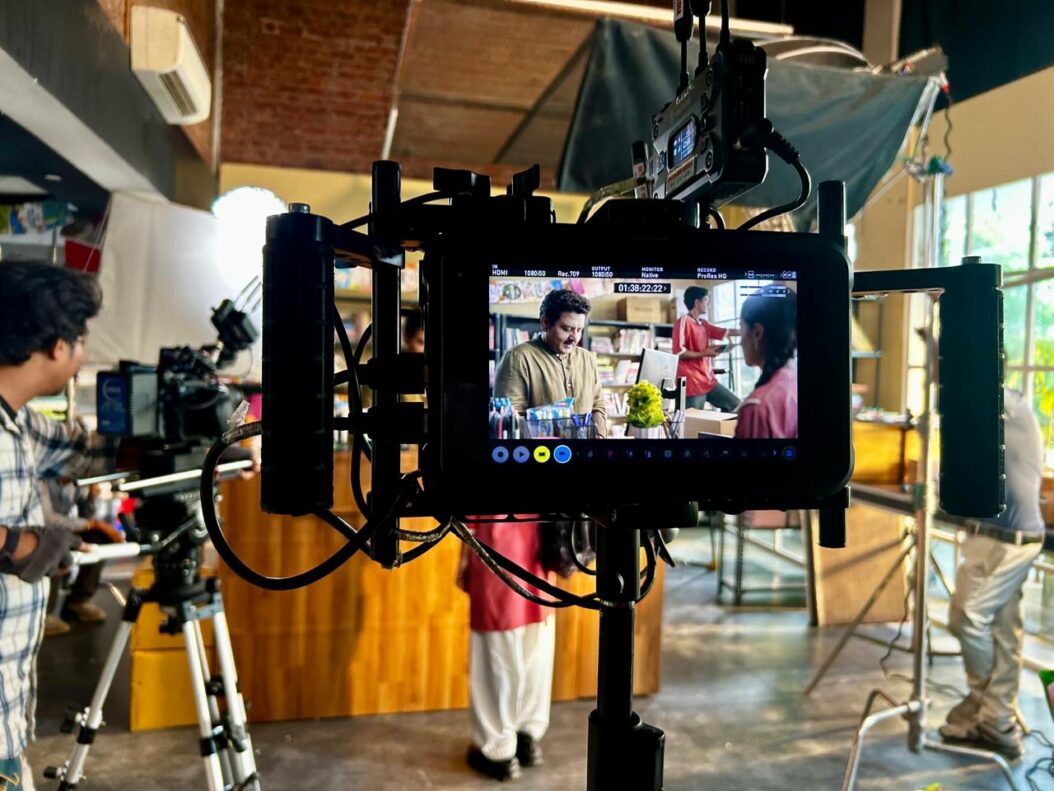

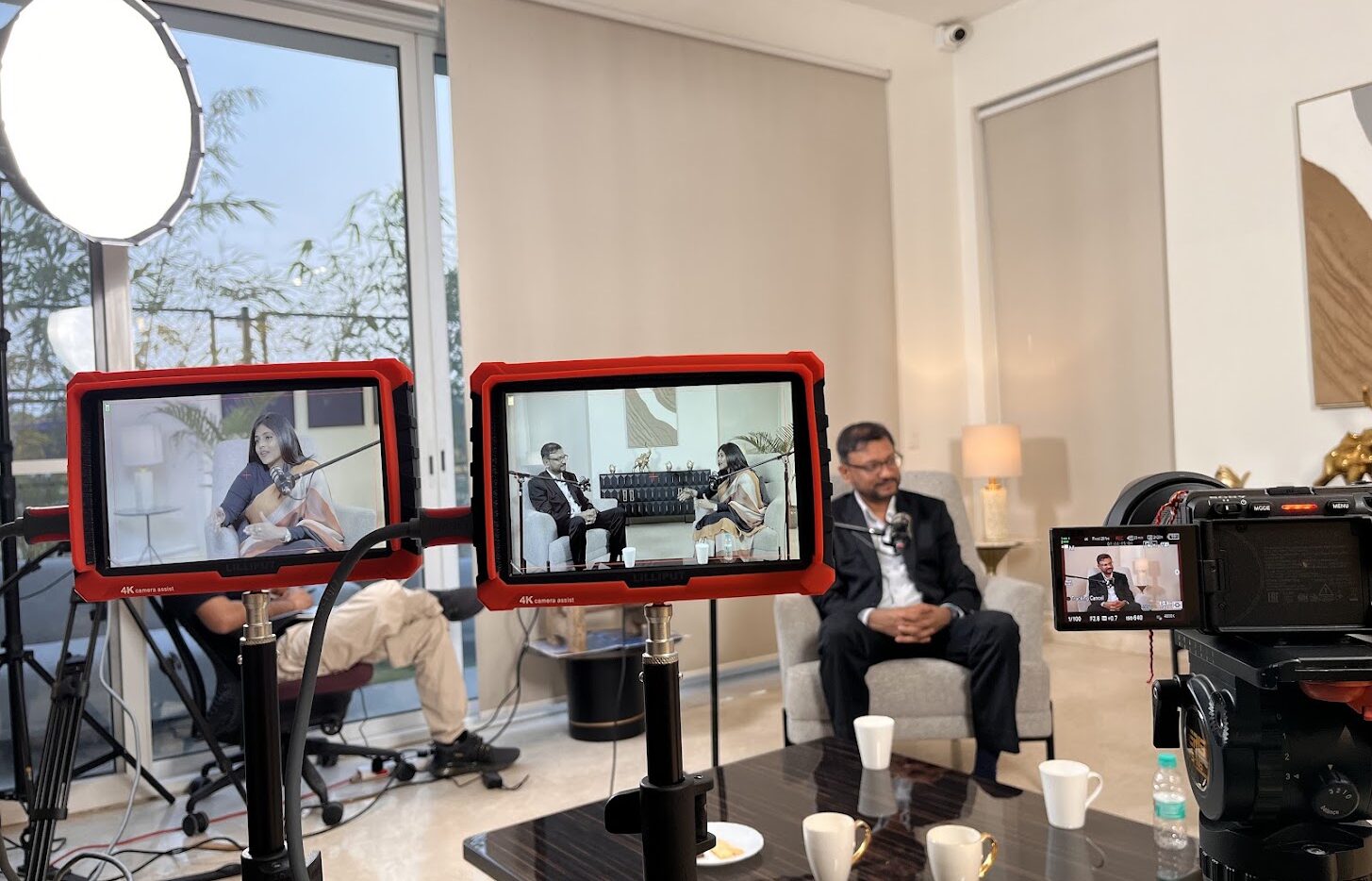
A professional corporate video production shoot can look simple on screen while involving dozens of moving parts behind the scenes. Video shoot logistics can involve locations, crew, equipment, talent, permissions, transportation, schedules, lighting, sound and multiple production setups. When these elements are not coordinated properly, even a well-developed creative concept can face delays, additional costs or compromised execution.
At FlowInk Pictures, production planning starts long before the cameras roll. Whether the project is a corporate video, brand video, product video, event production or multi-location campaign, every production decision needs to work with the creative objective.
So, what actually makes a video shoot logistically complex?
1. Multiple Locations Create Multiple Variables
For a corporate video production, moving between locations is one of the clearest sources of production complexity.
Every location can introduce different requirements for access, parking, permissions, equipment movement, lighting, sound and setup time. Travel between locations also needs to be factored into the production schedule.
Consider a corporate project that includes an office, manufacturing facility and outdoor location. Each environment may require a different camera setup, lighting arrangement and shooting approach.
The challenge is not simply reaching each location. It is making sure the entire production can move between them without losing valuable shooting time.
2. Crew Coordination Goes Beyond Call Times
A professional production may involve a director, cinematographer, camera team, lighting crew, sound professionals, production coordinators, makeup artists, stylists and other specialists.
Every department has a role, and those roles need to align.
If lighting needs additional setup time, the camera team may have to wait. If a location is not ready, the crew schedule can shift. If a key participant arrives late, an entire sequence may need to be rearranged.
Good production management keeps these dependencies visible before they become problems.
3. Equipment Requirements Can Change With Every Setup
A camera is only one part of a professional video production setup.
Depending on the project, the team may need multiple cameras, lenses, tripods, gimbals, lighting equipment, microphones, audio recorders, monitors, teleprompters, green screens and other production equipment.
The complexity increases when the requirements change from one scene to another.
An interview setup may require controlled lighting and clean audio. A workplace sequence may require mobile camera movement. A product demonstration may need specific lighting and framing.
Each setup has its own technical requirements, and equipment needs to be available, transported and configured at the right time.
4. Tight Schedules Put Every Minute Under Pressure
Time is one of the most valuable resources in a production.
A shooting schedule needs to account for crew call times, equipment setup, rehearsals, lighting adjustments, talent availability, location access, scene changes, breaks and travel.
This becomes particularly important when senior executives, doctors, subject-matter experts or other professionals are appearing on camera. Their availability may be limited to a specific window.
That means the production team needs to be ready before the person walks onto the set.
5. Talent Availability Can Shape the Entire Schedule
Corporate and commercial productions frequently involve people with demanding schedules.
A CEO may have only an hour available. A doctor may need to return to clinical responsibilities. Employees may be available only during particular shifts.
Their availability can influence the order in which scenes are shot.
A production team therefore needs to understand not only what needs to be filmed, but also who needs to be present, when they are available and what must be ready before they arrive.
6. Permissions and Location Rules Can Affect Production
Not every location can be treated like an open studio.
Hospitals, factories, offices, educational institutions and public spaces may have specific requirements around filming. These can include security approvals, access restrictions, working hours, noise limitations and equipment movement.
For productions involving employees, patients, customers or sensitive business environments, privacy and operational considerations may also influence how and where the crew can work.
Resolving these details before production helps prevent avoidable interruptions on shoot day.
7. Outdoor Shoots Add Variables You Cannot Control
Outdoor production introduces another layer of uncertainty.
Weather, sunlight, traffic, ambient noise and public movement can all affect a shot. Even changing sunlight can alter continuity between scenes.
A production schedule therefore needs enough flexibility to respond to external conditions without losing sight of the day’s priorities.
This is one reason experienced production teams build practical contingencies into the plan rather than treating the first schedule as completely fixed.
8. Multiple Setups Increase the Production Load
A video does not necessarily become complex because it is long.
A 30-second commercial can require more production coordination than a 10-minute interview if it involves multiple locations, actors, props, lighting changes and camera setups.
For example, a brand video might include:
- An executive interview
- Product close-ups
- Workplace activity
- Customer interactions
- Exterior shots
- A controlled studio setup
Each visual requirement can introduce another combination of equipment, crew, time and location planning.
This is where video shoot logistics becomes closely connected to the creative approach. The more visual variables a concept contains, the more carefully the production needs to be structured.
9. Production Complexity Can Affect the Budget
Logistical complexity is also closely connected to production costs.
Additional locations can mean more transportation and setup time. Larger crews can increase production hours. Multiple setups can require additional equipment. Tight schedules may require more careful resource allocation.
This does not mean that complex productions are automatically expensive. It means that the budget needs to reflect the actual production requirements.
A clear production plan helps brands understand where their resources are being used and prevents surprises caused by requirements that were overlooked during planning.
The Hidden Work Behind a Smooth Shoot
One of the interesting things about professional video production is that good logistics often become invisible in the final video.
Viewers do not see the location recce. They do not see the equipment being prepared. They do not see the crew coordinating access, lighting or talent schedules.
They simply see a finished video that feels controlled and cohesive.
That is the result of planning.
Pre-production can involve script development, shot planning, location checks, schedules, crew coordination, equipment planning, talent management, permissions and contingency preparation. Each decision reduces uncertainty once production begins.
Why an Experienced Video Production Partner Matters
The complexity of a production is not determined only by the number of people involved. It comes from the number of moving parts that need to work together.
An experienced video shoot logistics partner can connect the creative requirements with practical production decisions. That includes planning the schedule, coordinating departments, preparing equipment, managing locations and anticipating potential disruptions.
At FlowInk Pictures, this planning-led approach supports video production across healthcare, technology, education, real estate, retail, finance and other industries.
From script and setup to production and post-production, the focus is on creating a controlled production process that supports the project’s communication goals and delivers a cinematic final video.
Frequently Asked Questions
What makes a video shoot logistically complex?
Multiple locations, large crews, specialised equipment, tight schedules, talent availability, permissions, weather conditions and numerous shooting setups can all increase production complexity.
Why is pre-production important for a video shoot?
Pre-production allows the team to plan locations, schedules, equipment, crew, talent and technical requirements before production begins. It helps reduce avoidable delays and keeps the shoot organised.
Can a short video have complex production logistics?
Yes. Video duration does not determine production complexity. A short commercial with multiple locations, actors, lighting setups and camera movements can require extensive planning.
Does production complexity always mean higher costs?
Not necessarily. Complexity can increase resource requirements, but effective planning helps allocate crew, equipment and shooting time efficiently and keep the production aligned with the approved scope.
Plan Your Next Video Production With FlowInk Pictures
A smooth production starts before the camera is switched on.
If your brand is planning a corporate video, product video, brand video, event production or multi-location shoot, FlowInk Pictures can manage the production process from script and setup to shooting and post-production.
Email: [email protected]
Website: www.flowinkpictures.com
Let’s plan a video production that is creatively strong, operationally organised and built around your business objective.